

This is why many people dependent on alcohol will choose to taper down their usage rather than stop drinking altogether. Someone will slowly diminish the amount they drink with the intention of avoiding the symptoms of alcohol withdrawal completely and will hopefully be able to avoid a relapse as well. The symptoms of alcohol withdrawal can be more than enough to drive people back to drinking to find relief.

– Get medical assistance if you experience anything beyond mild withdrawal symptoms.

Often, people are tempted to turn back to alcohol to ease the discomfort of withdrawal symptoms. However, it still poses some serious risks, especially for individuals with long-term and/or https://ecosoberhouse.com/ severe alcohol problems. It is of the utmost importance that anyone considering tapering off alcohol first consult with a medical professional to determine their treatment needs.
Gradually Taper Your Alcohol Intake
Food can absorb the alcohol in beverages, so eating before or even while you drink can dampen the effect and may make you want to drink less, says Crews. A standard glass of wine is 5 ounces, which contains about 12% alcohol. A shot of distilled spirits like vodka is 1.5 ounces and equally 40% alcohol.
Measure your drinks.
Keep it interesting and varied with sparkling water, virgin cocktails (also known as mocktails), fruit juices, low-fat milk, or kombucha. Weaning off alcohol is a hard process, but it is something that you should be immensely proud of. That’s why it’s important to remember that relapse is not failure. It will take time and effort to grow these newfound friendships—but it will be worth it. She enjoys interviewing medical experts and researchers about their work and is passionate about communicating accurate and relevant health information to the public. If you drink to ease the pain of loneliness, then make a conscious effort to connect with others.
- For this reason, it is best to seek medical advice on whether you should taper at home or under medical observation.
- At times, it’s easy to forget why you entered recovery in the first place.
- The most significant factor is whether or not you’ve become chemically dependent.
- A standard glass of wine is 5 ounces, which contains about 12% alcohol.
- This is why many of the alcohol withdrawal symptoms seem to be related to overstimulation, like shaky hands, racing thoughts, and insomnia.
- Our admissions specialists will help you find the facility and treatment program best suited to the recovery needs of you or your loved one.
- If you’ve decided to taper off alcohol, you’ll need to be prepared with some strategies to make the process easier.
- Cold turkey is a common slang term for quitting alcohol (or any substance) all at once.
- People who are severely dependent or addicted to alcohol should seek medical support for alcohol detox.
Belinda Gordon-Battle is a licensed clinical therapist and life consultant based in Miami while providing therapeutic services across the globe. BGB, as her clients and colleagues call her, is an advocate of “removing the stigma” and normalizing the therapeutic process. She incorporates cultural relevance and non-traditional interventions and strategies to strengthen her clients’ steps towards goals of behavioral, emotional, social and mental wellness. Medical experts now use the term “alcohol use disorder” rather than “alcohol abuse” to address the concern of excessive drinking.
By avoiding alcohol, you’re taking a big step toward improving physical health. As you begin to notice those health benefits, you’ll likely feel more energized and inspired to keep up your progress. Research shows that most people believe that drinking can make them feel better. However, when alcohol makes up part of your typical routine, drinking can become something of an automatic response, especially when you feel stressed or overwhelmed. Turner notes the importance of bringing along a trusted support person when attending events that involve alcohol. It’s often easier to turn down a drink when you don’t have to do it alone.
If you plan to taper your drinking in order to stop, make sure you limit your intake consistently, avoid fluctuations, and adhere to a weekly reduction schedule with a set date to stop. Quitting binge drinking may require different strategies than either tapering or cold turkey. Alcohol can stay in your system for several hours depending on how much you drink. Once it begins to leave your body, early symptoms of withdrawal begin. There are multiple health benefits you can experience when you start drinking less alcohol.
- As with many self-detox methods, the risks and rewards go hand in hand when attempting to overcome an alcohol substance use disorder.
- Detoxing from alcohol at home is not universally recommended due to varying levels of safety for different people.
- This is because Delirium tremens is caused by hyperactivity in the nervous system, which is now without the depressant effects of alcohol and is instead going into overdrive.
- Someone should typically only direct taper if their drink of choice is beer with a low alcohol percentage.
Why Do You Experience Withdrawal Symptoms?
Tapering off alcohol, rather than stopping all at once, is the most effective way to avoid serious withdrawal symptoms and other problems such as dehydration. “Try doing a ‘dry’ month like Dry January, Go Dry for July or Sober October,” says Moore. In January 2020, more than 6 million people reportedly participated in Dry January, a campaign to reduce alcohol consumption organized by Alcohol Change UK. Follow-up research suggested that most tended to drink in healthier amounts afterward.
However, tapering can be dangerous if you have severe AUD, leading to uncomfortable withdrawal symptoms. If you start noticing these symptoms, contact a medical professional immediately. Some alcohol withdrawal symptoms can be so severe that they can lead how to taper off alcohol at home to death. Contact a medical professional immediately if you notice any withdrawal symptoms. Dr. Streem says that if your goal is to stop drinking altogether, you’re more likely to have success quitting all at once, rather than weaning off alcohol.
- One of the keys to a successful taper is taking gradual steps that will cause as few side effects as possible.
- Regardless, The initial detoxification process may take several days.
- A person may need to detox at home for many reasons, including cost or time.
- So, if you normally have 6 beers a day, you could be done tapering within one week.
- As mentioned above, many people will still experience some level of withdrawal, just to a lesser degree.
- Some people experience prolonged withdrawal symptoms, like insomnia and mood changes, that can last for weeks or months.
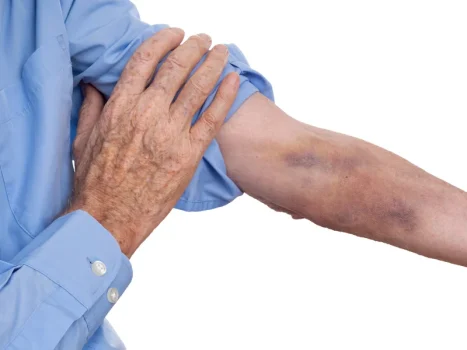
If you’ve become dependent on alcohol, cutting it out of your life may produce withdrawal symptoms, such as a rapid heartbeat, high blood pressure, sweating and shaking. Psychological symptoms can include irritability, anxiety and restlessness. If you’ve been drinking for a long time, tapering off can cause withdrawal symptoms. Getting professional help can mitigate harmful withdrawal symptoms and ensure success. Going “cold turkey” means abruptly stopping drinking entirely, leading to uncomfortable withdrawal effects. The intensity of the withdrawal symptoms depends on the severity of the alcoholism.